

Be afraid of what you plug into.
- Thread starter Alan Sledzieski
- Start date
You are using an out of date browser. It may not display this or other websites correctly.
You should upgrade or use an alternative browser.
You should upgrade or use an alternative browser.
Re: Be afraid of what you plug into.
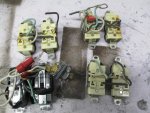
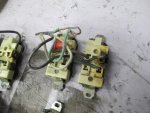
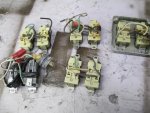
Looks like only one pair was not toasted.
One has to wonder how it got that way - I suspect patchwork over time.
I hesitate to ask why someone decided to look at this. Good thing it was torn out.
Looks like only one pair was not toasted.
One has to wonder how it got that way - I suspect patchwork over time.
I hesitate to ask why someone decided to look at this. Good thing it was torn out.

Re: Be afraid of what you plug into.
Alan, what do you attribute this to? I know you mentioned the push in connection on the plugs, and advised not to use them... I would be more suspect of the loads these boxes were placed under... Don't get me wrong, this is going to get me to open up my quad boxes, but I would be surprised to find this kind of damage, but who knows... Were these boxes used for stage power, lighting, can you expand on their use please
Alan, what do you attribute this to? I know you mentioned the push in connection on the plugs, and advised not to use them... I would be more suspect of the loads these boxes were placed under... Don't get me wrong, this is going to get me to open up my quad boxes, but I would be surprised to find this kind of damage, but who knows... Were these boxes used for stage power, lighting, can you expand on their use please

Re: Be afraid of what you plug into.
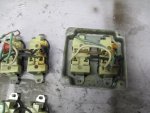
I see nothing obviously wrong with the wiring, but it does look like they have spent time under water. The corrosion on that cover tells the story.
I see nothing obviously wrong with the wiring, but it does look like they have spent time under water. The corrosion on that cover tells the story.
Re: Be afraid of what you plug into.
Back stabbed wire connections are always questionable. They are a sign of a low budget electrician. Some of the wires are very short and may have placed added strain on the connections. Modern back-stab receptacles are limited to 14 AWG wire.
Back stabbed wire connections are always questionable. They are a sign of a low budget electrician. Some of the wires are very short and may have placed added strain on the connections. Modern back-stab receptacles are limited to 14 AWG wire.
Re: Be afraid of what you plug into.
14 AWG is plenty large for "chassis wiring" on 15 amp devices, which is way it is used here. Stabbed connections are just fine, or else the method wouldn't have passed UL (etc.) testing. I prefer screw connections for portable assemblies, but that's only personal preference.
The damage I see (other than corrosion) looks to be over-current damage which you can't blame anything in the picture for.
Back stabbed wire connections are always questionable. They are a sign of a low budget electrician. Some of the wires are very short and may have placed added strain on the connections. Modern back-stab receptacles are limited to 14 AWG wire.
14 AWG is plenty large for "chassis wiring" on 15 amp devices, which is way it is used here. Stabbed connections are just fine, or else the method wouldn't have passed UL (etc.) testing. I prefer screw connections for portable assemblies, but that's only personal preference.
The damage I see (other than corrosion) looks to be over-current damage which you can't blame anything in the picture for.
Re: Be afraid of what you plug into.
I wonder why that on the electrician's forums, I see so many negative comments about back stabbed receptacles and the electricians that install them?
I wonder why we see so many back stabbed receptacles in new home developments that go to the very lowest bidding electrical contractors?
I wonder why that on the electrician's forums, I see so many negative comments about back stabbed receptacles and the electricians that install them?
I wonder why we see so many back stabbed receptacles in new home developments that go to the very lowest bidding electrical contractors?

Re: Be afraid of what you plug into.
You see that with lowest-bidder situations because an electrician can install 25% more outlets in an hour.
I wonder why that on the electrician's forums, I see so many negative comments about back stabbed receptacles and the electricians that install them?
I wonder why we see so many back stabbed receptacles in new home developments that go to the very lowest bidding electrical contractors?
You see that with lowest-bidder situations because an electrician can install 25% more outlets in an hour.
Re: Be afraid of what you plug into.
I can't help echo Milts comments... They are there for a reason and they are UL approved... somebody somewhere thought they are a good idea and a working solution. I can only assume the failures in the photos are due to exposure and mis-use.
I've built panels and quad boxes both ways, and for security, I'd take the stab points anytime. Have you ever tried to pull a wire out without using the release? I have used the screw terminals and I've had to re-seat the wire more than once because I wasn't satisfied with how it was sitting. Again it's neither here nor there, someone has a preference and there might be a majority or it might be "how it was always done". Both connection systems are available for use. To quote another member... Please drive through
I can't help echo Milts comments... They are there for a reason and they are UL approved... somebody somewhere thought they are a good idea and a working solution. I can only assume the failures in the photos are due to exposure and mis-use.
I've built panels and quad boxes both ways, and for security, I'd take the stab points anytime. Have you ever tried to pull a wire out without using the release? I have used the screw terminals and I've had to re-seat the wire more than once because I wasn't satisfied with how it was sitting. Again it's neither here nor there, someone has a preference and there might be a majority or it might be "how it was always done". Both connection systems are available for use. To quote another member... Please drive through

Re: Be afraid of what you plug into.
I've always wondered about the push in connectors. Totally agree with Shane on the security; the wire will break long before they come out. But do they have a significantly smaller contact patch than if one were to use the screw terminals?
I've always wondered about the push in connectors. Totally agree with Shane on the security; the wire will break long before they come out. But do they have a significantly smaller contact patch than if one were to use the screw terminals?
Re: Be afraid of what you plug into.
Long story on where they came from, ( was nothing of mine thats for sure) but were properly protected, 20 amp. Just posted it as a, dam that is scary what some places have for electrical.
As far as screw vs. back stab, I always use the screw, larger contact area.
Long story on where they came from, ( was nothing of mine thats for sure) but were properly protected, 20 amp. Just posted it as a, dam that is scary what some places have for electrical.
As far as screw vs. back stab, I always use the screw, larger contact area.
Re: Be afraid of what you plug into.
Aren't the "back stab" outlets specifically prohibited from being used in 20A circuits? 15A only?
This type of outlet got a really bad reputation back when aluminum wire was briefly popular in home construction (early '70s, I think). Now you can't use them with aluminum wire, and aluminum requires special techniques with the devices it is approved for. I think the extra labour involved with terminating aluminum wire wipes out any saving over copper.
I'm (perhaps irrationally) suspicious of the "back stab" type outlets, so I've always gone with the more conventional devices. My favourite would be the Hubbell back wired devices, like the 5362. When you don't have to bend a hook in the wire, they're almost as fast to wire as the "back stabs". They also handle solid, stranded, and fine stranded (think SO cable) wire. When the job is price sensitive, the CR20s have always treated me well.
GTD
Long story on where they came from, ( was nothing of mine thats for sure) but were properly protected, 20 amp.
Aren't the "back stab" outlets specifically prohibited from being used in 20A circuits? 15A only?
This type of outlet got a really bad reputation back when aluminum wire was briefly popular in home construction (early '70s, I think). Now you can't use them with aluminum wire, and aluminum requires special techniques with the devices it is approved for. I think the extra labour involved with terminating aluminum wire wipes out any saving over copper.
I'm (perhaps irrationally) suspicious of the "back stab" type outlets, so I've always gone with the more conventional devices. My favourite would be the Hubbell back wired devices, like the 5362. When you don't have to bend a hook in the wire, they're almost as fast to wire as the "back stabs". They also handle solid, stranded, and fine stranded (think SO cable) wire. When the job is price sensitive, the CR20s have always treated me well.
GTD
Re: Be afraid of what you plug into.
Any aluminum/copper connection requires the use of antioxidant paste to prevent corrosion (and eventual failure) of the aluminum. Terminal bars and lugs in disconnects and fuse boxes are still aluminum in most cases, but they come from the factory with the lugs full of the paste as a pre-treatment.
This type of outlet got a really bad reputation back when aluminum wire was briefly popular in home construction (early '70s, I think). Now you can't use them with aluminum wire, and aluminum requires special techniques with the devices it is approved for. I think the extra labour involved with terminating aluminum wire wipes out any saving over copper.
Any aluminum/copper connection requires the use of antioxidant paste to prevent corrosion (and eventual failure) of the aluminum. Terminal bars and lugs in disconnects and fuse boxes are still aluminum in most cases, but they come from the factory with the lugs full of the paste as a pre-treatment.
Re: Be afraid of what you plug into.
The golden age of aluminum wiring was after WWII up until about the early 1970s. It turned out that aluminum oxide would build up between the wire and outlet/switch terminals, and being a poor conductor, cause heat. The heat would make the wire expand under load and then contract when cool, creating yet more resistance and more heat. Throw in galvanic action when using copper-terminal wiring devices and it turned out that aluminum wiring was a good way to burn down houses.
The golden age of aluminum wiring was after WWII up until about the early 1970s. It turned out that aluminum oxide would build up between the wire and outlet/switch terminals, and being a poor conductor, cause heat. The heat would make the wire expand under load and then contract when cool, creating yet more resistance and more heat. Throw in galvanic action when using copper-terminal wiring devices and it turned out that aluminum wiring was a good way to burn down houses.
Last edited:
Re: Be afraid of what you plug into.
For very good coverage of aluminum wiring in US houses in th late 1960s thru the 1970's, see this Wikipedia page:
Aluminum wire - From Wikipedia, the free encyclopedia
Aluminum wire - Wikipedia, the free encyclopedia
For very good coverage of aluminum wiring in US houses in th late 1960s thru the 1970's, see this Wikipedia page:
Aluminum wire - From Wikipedia, the free encyclopedia
Aluminum wire - Wikipedia, the free encyclopedia

Re: Be afraid of what you plug into.
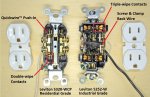
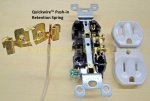
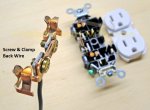
For those who don't know what Geoff is talking about, I've attached a link that shows the difference between questionable backstabbing and good quality back wiring. Not all back wiring is created equal. I also hope the included link provides some others reasons to stay away from 50 cent Home Depot duplex receptacles. The residential stuff just has no place in a production environment. IIRC - they used to make back-stab only (screwless) residential receptacles as well.
Cheers!
Marlow
Edit***
The original photo was from this link which prohibits reproduction: Electrical Outlets: Side Wire versus Back WireHandymanHowto.com
Please visit the link for even more detailed photos. Photos don't seem to have disappeared as intended... I tried
Aren't the "back stab" outlets specifically prohibited from being used in 20A circuits? 15A only?
This type of outlet got a really bad reputation back when aluminum wire was briefly popular in home construction (early '70s, I think). Now you can't use them with aluminum wire, and aluminum requires special techniques with the devices it is approved for. I think the extra labour involved with terminating aluminum wire wipes out any saving over copper.
I'm (perhaps irrationally) suspicious of the "back stab" type outlets, so I've always gone with the more conventional devices. My favourite would be the Hubbell back wired devices, like the 5362. When you don't have to bend a hook in the wire, they're almost as fast to wire as the "back stabs". They also handle solid, stranded, and fine stranded (think SO cable) wire. When the job is price sensitive, the CR20s have always treated me well.
GTD
For those who don't know what Geoff is talking about, I've attached a link that shows the difference between questionable backstabbing and good quality back wiring. Not all back wiring is created equal. I also hope the included link provides some others reasons to stay away from 50 cent Home Depot duplex receptacles. The residential stuff just has no place in a production environment. IIRC - they used to make back-stab only (screwless) residential receptacles as well.
Cheers!
Marlow
Edit***
The original photo was from this link which prohibits reproduction: Electrical Outlets: Side Wire versus Back WireHandymanHowto.com
Please visit the link for even more detailed photos. Photos don't seem to have disappeared as intended... I tried
Attachments
Last edited: